
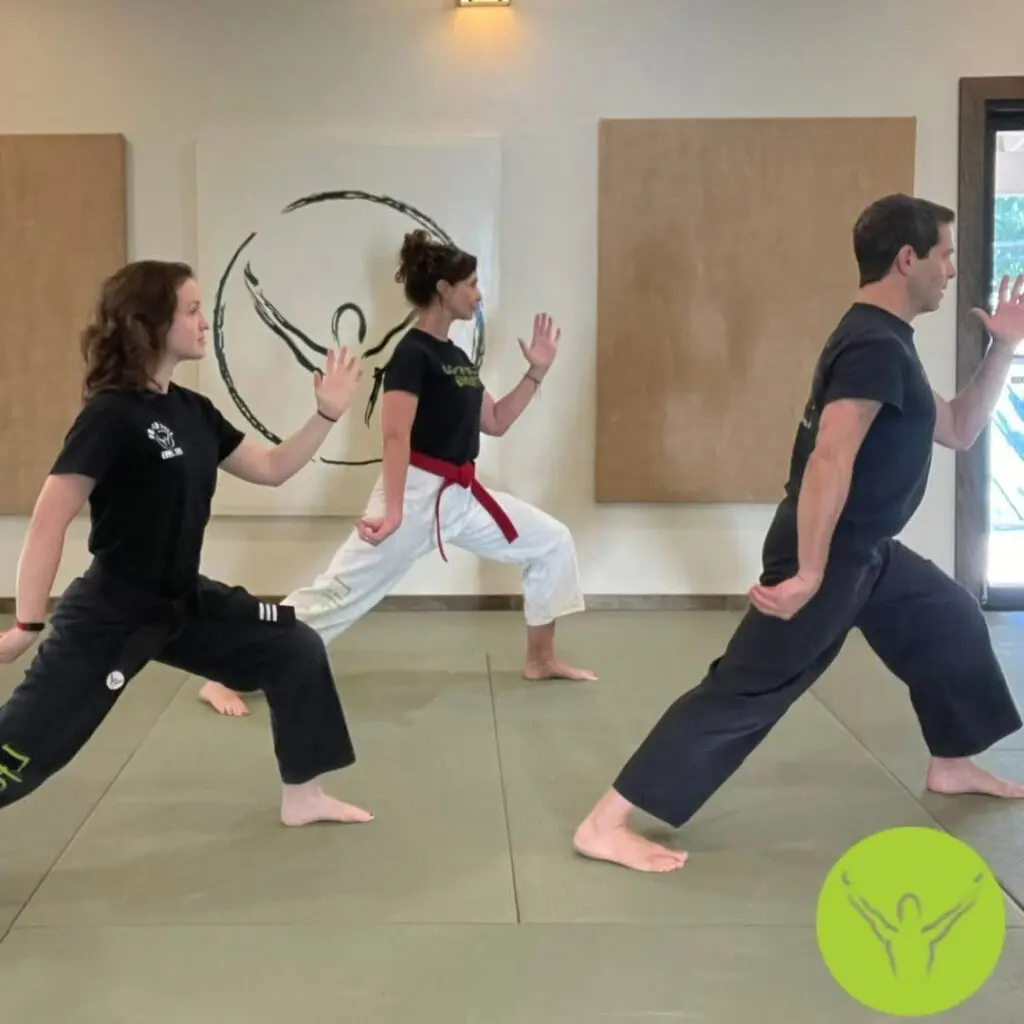
“The breath is the bridge which connects life to consciousness.” Thich Nhat Hanh wrote those words, and they speak directly to what Tai Chi has practiced for centuries. We live in a world full of stress, distraction, and tension. But Tai Chi breathing techniques offer us a simple, proven way to find calm and sharpen our focus.
These methods combine slow, graceful movements with mindful breath control to create a powerful mind-body experience. And the best part? You do not need any special equipment or fitness level to start.
We know that deep breathing does more than just relax your muscles.
Whether you are brand new to the practice or looking to deepen your awareness, understanding how breath and movement work together changes everything.
For anyone still learning the foundations of posture, movement, and breathing, our Tai Chi for Beginners guide provides useful context for how these elements fit into the broader practice. Together, they connect your body and mind in ways that few other exercises can match.
Read on to discover how this ancient practice can transform your breathing, your health, and your daily well-being.
The Role of Deep Breathing in Tai Chi Breathing Techniques
Deep breathing in Tai Chi activates our relaxation response. This means our body shifts away from stress and into a calm, focused state. Over time, this can improve our mental well-being and physical function.
Our breathing originates in the diaphragm. Diaphragmatic breathing pulls air deep into our lungs rather than just filling the chest. This is the foundation of the abdominal breathing methods commonly used in Tai Chi.
- Diaphragmatic breathing can help us use our lungs more efficiently over time.
- Each slow breath encourages us to release unnecessary tension.
- Deep breathing in Tai Chi supports relaxed, upright posture.
Slow Tai Chi breathing also complements the gentle physical activity involved in the practice. By coordinating controlled movement with steady respiration, we learn to move without rushing or holding our breath.
How Tai Chi Breath Control Works
Tai Chi breath control helps create a steady rhythm between our breathing and movement. In traditional Tai Chi philosophy, this relationship is often discussed through the concept of qi, or internal energy.
Rather than forcing the breath, we allow it to follow the natural expansion and contraction of each movement. Breathing in often accompanies opening or rising motions, while breathing out commonly accompanies closing, settling, or pushing movements.
- Inhale during many opening and lifting movements.
- Exhale during many closing and pushing movements.
- Keep the breath smooth instead of forcing a rigid pattern.
Breathing and movement coordination is key. When we inhale, the body may naturally expand. When we exhale, it can soften and settle. This rhythm helps us flow through Tai Chi forms without unnecessary strain or tension.
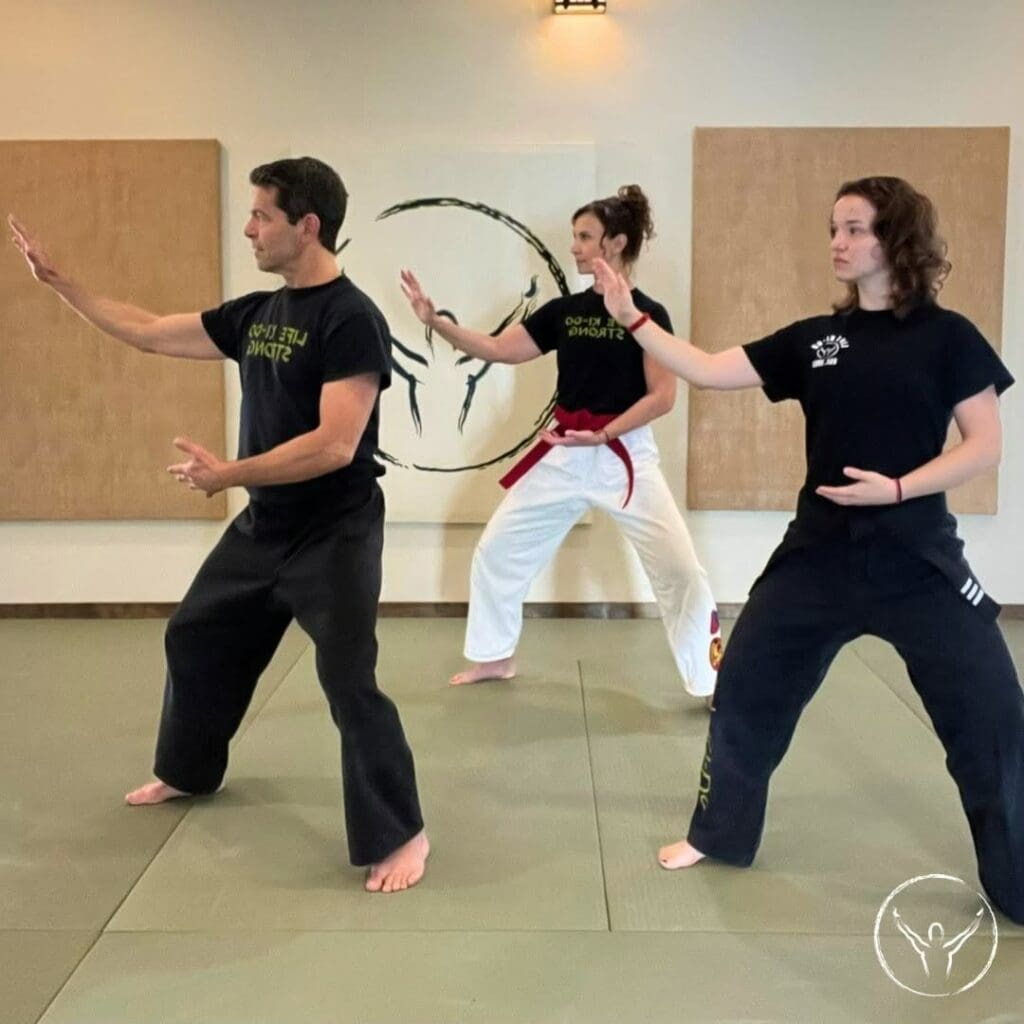
Practicing Tai Chi Breathing Techniques Step by Step
We can start with simple mindful breathing exercises every day. We do not need to be flexible or physically fit to begin. All we need is a quiet space and a few minutes of focused attention.
Qigong movements are closely related to Tai Chi and often use similar combinations of posture, breathing, relaxation, and awareness. In both practices, breathing is not treated as something separate from movement. Instead, the two gradually become part of one coordinated pattern.
Mind-body breathing connects our attention to our physical state. When we breathe slowly and with purpose, our awareness often becomes calmer and more focused. This is one reason breathing practices appear in many forms of meditation and mind-body exercise.
Start by standing comfortably with your feet about shoulder-width apart. Keep your knees relaxed rather than locked. Allow your shoulders to settle and your arms to hang naturally.
Breathe slowly through your nose and notice where the breath moves in your body. Avoid deliberately taking the largest breath possible. A comfortable, quiet breath is more useful than one that creates tension.
After several breaths, introduce a simple arm movement. Let your arms rise gently as you inhale and lower them as you exhale. Keep the movement slow enough that your breathing never feels rushed.
Tai Chi Breathing for Beginners
Tai Chi breathing for beginners starts with basic awareness. We do not need to control every breath immediately. Instead, we first observe our natural breathing patterns and notice whether we tend to breathe quickly, hold our breath, or rely mostly on the upper chest.
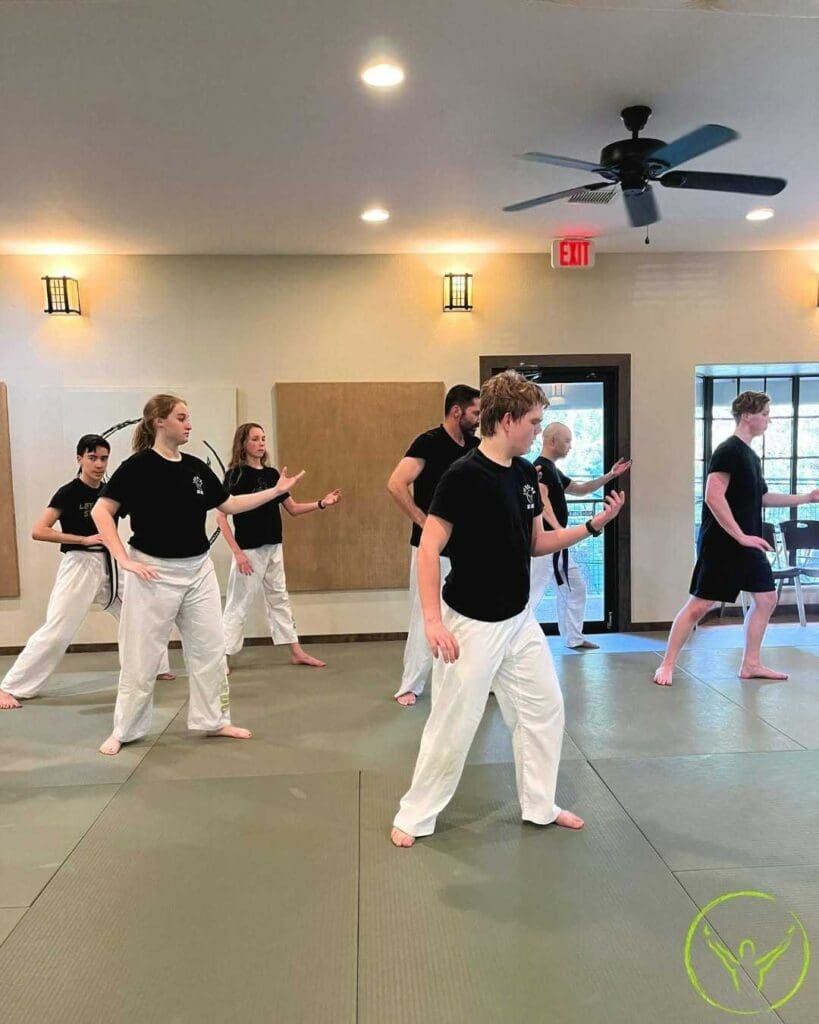
As beginners, our main goal is to build a connection between breath and body. For those who prefer guided practice, Tai Chi classes can help beginners learn how to coordinate breathing, posture, and movement with instruction and regular practice. This is part of what makes Tai Chi different from many conventional forms of exercise. Strength, flexibility, coordination, relaxation, and awareness develop together rather than being treated as completely separate skills.
- Stand still and notice your natural breathing first.
- Breathe in slowly through your nose for about four counts.
- Exhale gently for about six counts without forcing the breath.
- Repeat the cycle several times before beginning your movements.
This simple routine helps us prepare for a sequence of movements. When we settle our breathing before we move, our body and attention have time to synchronize. That connection can make Tai Chi movements feel smoother and less forced.
Simple Mindful Breathing Exercises to Strengthen Your Practice
Mindful breathing exercises build our focus between Tai Chi sessions. We do not have to be in a formal training space to practice. These techniques can be used while seated, standing at home, or taking a quiet break during the day.
Mindful breathing teaches us to return attention to the present moment. When our thoughts wander, the breath gives us something simple and physical to notice.
- Practice several minutes of relaxed abdominal breathing each morning.
- Use body scan breathing before beginning a Tai Chi form.
- Practice slow breathing while seated or standing comfortably.
- Coordinate one simple movement with each inhale and exhale.
Body scan breathing is especially useful before movement. We breathe calmly while bringing our attention to areas such as the jaw, shoulders, hands, hips, and legs. If we notice tension, we allow that area to soften rather than trying to force it into relaxation.
Start Your Journey to Calm and Focus Today
Tai Chi breathing techniques offer a practical way to support relaxation, body awareness, and more focused movement.
Slow diaphragmatic breathing encourages us to release unnecessary tension, while coordinating breath with gentle movement helps the body and mind work together more smoothly.
Your next step can be simple. Start with five minutes of comfortable abdominal breathing each morning. Breathe in through your nose, allow your abdomen to expand naturally, and then exhale slowly without forcing the air out.
Once that pattern feels comfortable, pair the breath with a basic Tai Chi movement. Raise your arms slowly as you inhale, lower them as you exhale, and notice how breathing changes the quality of the movement.
The goal is not to create a perfect breathing pattern immediately. Tai Chi develops through awareness, repetition, and patience. If you’d prefer to begin with guided instruction, claiming the limited-time Tai Chi offer provides a simple way to get started. With consistent practice, breathing gradually becomes less something we consciously manage and more something that naturally supports every movement we make.


